
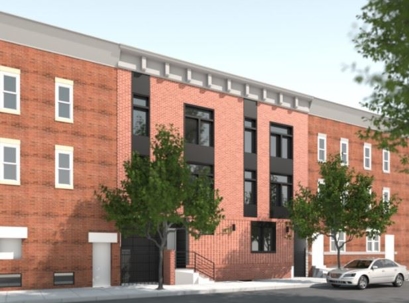
Developing a boutique hotel in Philadelphia offers unmatched opportunities for impact and community engagement, but it also presents a range of legal and regulatory challenges unique to this vibrant city. When aiming to create a standout hospitality project, investors and developers need more than vision—they require proactive planning and a deep understanding of Philadelphia’s landscape. Navigating the details at every step, from initial site selection to approvals and community relations, leads to smoother progress and more sustainable success for both the business and the neighborhood.
Plan your boutique hotel development in Philadelphia with confidence. Get legal guidance to avoid delays. Contact us online today or call (215) 515-0882!
Which Legal Steps Set the Foundation for Boutique Hotel Development in Philadelphia?
Launching a boutique hotel in Philadelphia begins long before construction. The earliest legal steps include understanding the property’s eligibility for hotel use by analyzing current zoning, applicable overlays, and any deed restrictions. Developers must research whether their chosen site falls within a district that allows hotels, and if any limitations on density, parking, or building size could impact design or operations.
In the pre-development phase, comprehensive due diligence uncovers potential challenges and mitigates costly surprises. This process often includes reviewing title and land records to identify any existing covenants, conducting environmental assessments, and confirming that no existing violations or liens could disrupt the project’s timeline. These steps also assess adjacent land uses and neighborhood trends, supporting a realistic assessment of future market demand.
Working closely with experienced legal counsel at this early stage is especially valuable in Philadelphia. Establishing relationships with agencies like the Department of Licenses and Inspections, Planning Commission, and the Historical Commission gives developers clearer insight into approval timelines and requirements. Early collaboration helps ensure all plans fit city objectives, avoiding avoidable delays and allowing for thoughtful engagement with community stakeholders as the project progresses.
How Zoning & Land Use Rules Influence Boutique Hotel Projects in Philadelphia
Philadelphia’s zoning and land use regulations significantly shape boutique hotel development, with special overlays and district-specific rules that affect everything from location to building design. Many target neighborhoods for boutique hotels—like Center City, Fishtown, and University City—fall under mixed-use or commercial district regulations, and some require a zoning variance for hotel use. Developers must pay close attention to permitted uses, setbacks, design guidelines, and proposed amendments that could impact their timeline or design choices.
When a hotel is not permitted outright, the process often leads to the Zoning Board of Adjustment. Here, developers must demonstrate how their proposal benefits the neighborhood and fits local goals, often in front of Registered Community Organizations (RCOs) and neighborhood groups. Community involvement is a legal requirement, and these groups have the right to review projects and share their positions. Preparing a successful zoning application, therefore, demands both legal precision and an understanding of community interests.
Philadelphia’s evolving zoning code further complicates the landscape. New amendments in areas like historic preservation or impact fees can directly affect boutique hotel feasibility. By working with a legal team that has up-to-date insights on city council and zoning board priorities, developers can anticipate changes, respond to public policy trends, and ensure compliance throughout the process—reducing costly surprises or design alterations during review.
Essential Permits & Approvals for Boutique Hotels in Philadelphia—and How to Avoid Delays
Securing the right permits and approvals for hotels in Philadelphia marks one of the most time-sensitive phases in boutique hotel development. The Department of Licenses and Inspections (L&I) oversees building code compliance, reviews architectural plans, and issues necessary construction and use permits. In addition, developers may need permits for signage, food service, health and safety, fire protection, and—if applicable—a Pennsylvania Liquor Control Board license. Each city office has its own application procedures and review schedules.
To avoid common setbacks, every phase—from demolition to fit-out—should be carefully sequenced. Typical roadblocks occur when applications lack required supporting documentation, when forms do not reflect the latest code changes, or when agencies spot inconsistencies. Preparing a detailed project timeline and a checklist of permit requirements for each construction phase helps keep progress on track. Staying organized with clear records of all submissions, approvals, and agency feedback can greatly reduce the risk of duplicate requests or missing paperwork.
Developers who form strong working relationships with city officials and staff can often move through complicated approval processes more smoothly. Partnering with a legal team that regularly communicates with L&I and other city departments offers insights on unwritten policies as well as procedural requirements. Proactive, clear communication and a detailed understanding of agency expectations will help navigate Philadelphia’s multi-layered permitting and approval system, accelerating your hotel’s path to opening.
Effective Legal Strategies to Address Community Concerns in Hotel Projects
Community concerns wield significant influence over boutique hotel projects in Philadelphia, particularly in neighborhoods known for their activism and pride. Community groups may express worries about increased traffic, changes in neighborhood character, or new nightlife impacts. To succeed, developers benefit from engaging neighborhood associations, business districts, and residents early in the planning process. Approaching community engagement with genuine intent—by providing clear information, listening to concerns, and considering responsive design changes—can make all the difference in the approval process.
Preparing for public meetings is a crucial legal and strategic step. Developers should bring supporting evidence such as traffic studies, economic impact data, and design renderings that address specific concerns. Clear explanations about how the hotel will support neighborhood goals—like local hiring, partnerships with area businesses, or public space improvements—often build trust and goodwill. Responding to questions and feedback with practical solutions, rather than only presenting finalized plans, demonstrates flexibility and openness.
Legal professionals familiar with Philadelphia’s civic landscape help developers anticipate and respond to the requirements of Registered Community Organizations and neighborhood groups. They support the creation of community benefits agreements, guide outreach strategy, and facilitate constructive public feedback. By respecting community expectations and integrating their concerns into your plans, you not only satisfy legal requirements but also create stronger, more sustainable neighborhood partnerships—improving your project’s long-term success.
Adaptive Reuse & Historic Preservation: Turning Old Buildings Into Boutique Hotels
Philadelphia's wealth of historic and industrial architecture offers significant opportunities—and legal complexities—for adaptive reuse as boutique hotels. Transforming existing structures into hotels unlocks unique design appeal, often allows expedited development as compared to ground-up construction, and may qualify for tax incentives or preservation grants. Pursuing adaptive reuse projects, however, means working within historic preservation rules governed by the Philadelphia Historical Commission and relevant city codes.
When working with historic properties, developers must comply with preservation guidelines that affect everything from façade alterations and window replacements to interior renovations and accessibility upgrades. Projects that maintain key historical features can sometimes benefit from programs such as the 10-year tax abatement for rehabilitated properties or state preservation tax credits. To access these opportunities and ensure compliance, developers should engage legal advisors familiar with both historic building requirements and city submission processes.
Collaboration with historic preservation officials begins early in the planning process. Submitting clear, detailed proposals—demonstrating respect for architectural character while ensuring life safety and accessibility—encourages support. Legal teams with adaptive reuse experience help navigate overlapping regulations, expedite approvals, and secure qualification for incentive programs. Embracing Philadelphia’s historic identity in your boutique hotel development enhances marketability and creates a destination that resonates with both visitors and locals.
Tax Incentives, Grants, & Funding for Boutique Hotels in Philadelphia
Properly leveraging Philadelphia’s network of tax incentives and grants can significantly impact a boutique hotel’s long-term success. City and state programs provide financial benefits designed to reward adaptive reuse, commercial corridor revitalization, or investment in targeted neighborhoods. Many developers pursue the 10-year property tax abatement, which applies to major improvements and new construction, and can result in substantial operational savings during the most financially sensitive years of a hotel’s lifecycle.
In addition to local abatements, Pennsylvania’s Historic Preservation Tax Credit and programs like the Redevelopment Assistance Capital Program (RACP) may provide grants or tax reductions for qualifying projects, especially those enhancing historically significant buildings or generating new jobs. Understanding these programs’ eligibility criteria is crucial. Applications typically require proof of community benefit, detailed financial forecasts, and assurances that the project will comply with city and state objectives for economic development.
Tracking compliance and reporting for multiple incentive programs often presents challenges. Application formats, deadlines, and post-approval auditing requirements can be strict and time-consuming. Legal counsel with experience in Philadelphia’s development finance landscape can coordinate the application process, manage necessary documentation, and advise on balancing multiple incentives without creating conflicts. By planning early and building incentives into your project’s financial model, your boutique hotel can maximize available funding opportunities and improve long-term viability.
Philadelphia Legal Pitfalls: Common Risks Developers Miss in Hotel Projects
Philadelphia’s real estate regulatory environment presents several pitfalls that frequently catch out-of-town or first-time boutique hotel developers off guard. One common mistake is neglecting the city’s detailed neighbor notification and Registered Community Organization (RCO) outreach duties. Missing steps in these processes can lead to denied zoning applications or delayed hearings, causing costly project setbacks.
Another overlooked challenge lies in keeping pace with evolving building and fire codes. Hotels require regular coordination with L&I, the Fire Department, and other agencies, particularly during property conversions or renovations. If construction or design plans fail to reflect the latest code changes, developers may face rejected permits, additional rounds of review, or even costly redesigns. Environmental site assessment standards present similar issues—historic or industrial properties often include unexpected remediation needs, threatening construction schedules and budgets if not adequately addressed.
Developers minimize risks by building partnerships with legal advisors who frequently interact with Philadelphia’s zoning board, city council, and permitting offices. This approach identifies new regulations as soon as they are proposed and provides tactical guidance to keep approvals moving. Proactively monitoring changes and understanding the practical impact of new Philadelphia adaptive reuse laws ensures your boutique hotel stays compliant—and on schedule—from concept through completion.
The Value of Legal Teams with Philadelphia Government Insight in Hotel Development
For boutique hotel projects in Philadelphia, insider knowledge of city government processes gives developers a distinct advantage. Attorneys with a history of working directly with city agencies, boards, and government offices can interpret policy shifts, clarify unwritten expectations, and offer a realistic sense of approval timelines. These relationships support more predictable project outcomes and can help position your development strategically for positive engagement from both officials and the broader community.
At Pritzker Law Group, our in-house team approach offers seamless project management, clear communication, and continuity through every development phase. This structure streamlines complicated interactions between clients, agencies, and consultants, ensuring documentation is complete, filings are timely, and conversations reflect a deep understanding of city priorities. We coordinate with zoning officers, historic boards, and other municipal departments, closing gaps that could otherwise cause confusion or delay.
As a Certified Women’s Business Enterprise, Pritzker Law Group brings a community-focused perspective and a commitment to inclusive growth that aligns with many of Philadelphia’s urban development goals. Our team’s extensive city experience helps balance the interests of investors, neighborhoods, and city agencies, providing guidance that supports sustainable, respected hotel projects. When you partner with a legal team deeply invested in Philadelphia’s success, you gain a trusted advisor for every stage of the hotel development journey.
Getting Started: Your Next Steps for Boutique Hotel Development in Philadelphia
If you are ready to begin a boutique hotel project in Philadelphia, assembling the right advisory team is your vital first step. Look for legal guidance with an established record of handling city-specific issues—zoning, permitting, community relations, and public funding. As you develop your project roadmap, include careful due diligence, agency introductions, eligibility checks for incentives, and proactive outreach to stakeholders. Laying out the full sequence of actions up front reduces risk and empowers you to move confidently from acquisition through opening.
Work with your legal partners to map critical project milestones, from identifying eligible zoning and building code paths to preparing historic commission filings or grant applications. Clear communication and a coordinated schedule—supported by organized documentation—will keep your development progressing smoothly. Tracking changes in city policies and community priorities helps maintain approval momentum and supports the positive reputation needed for long-term hospitality success.
If you would like to discuss boutique hotel development strategies or have specific questions about navigating Philadelphia’s legal landscape, our team at Pritzker Law Group is ready to connect. Call us at (215) 515-0882 to start the conversation and take the first steps toward a project that creates lasting value for you and the city.